Common Mistakes to Avoid When Starting with Drones
Flying drones can be an exhilarating experience, but as someone new to the world of drones, I've seen how easy it is for beginners to make missteps. Let's dive into the common mistakes you should avoid to ensure a smooth takeoff on your drone journey.
Table of Contents
1Common Mistakes Every Beginner Makes
When starting with drones, it's tempting to go for the flashiest models with advanced features. Avoid spending excessively on high-end drones if you're just starting out. Instead, focus on mastering the basics with a more budget-friendly option. Another common mistake is not understanding local regulations. Flying in restricted areas without proper knowledge can lead to fines, so always check the legal requirements before takeoff. Lastly, neglecting pre-flight checks is a pitfall many fall into. Always inspect your drone for damage and ensure batteries are fully charged for a smooth flight experience.
2Misleading Marketing Claims
Advertisements can be deceiving, often highlighting features like extended flight times and superior camera quality. While these sound attractive, they might not align with your actual needs. For instance, drones boasting long battery life might not perform as claimed in real-world conditions. Always verify claims with user reviews and third-party evaluations. Avoid being swayed by superficial features, such as unnecessary camera capabilities if photography isn't your primary interest. Focus on the essentials that match your proficiency and intended use case.
3Choosing the Right Criteria
Instead of getting sidetracked by bells and whistles, prioritize aspects like durability and ease of control. As a beginner, you'll want a drone that can withstand a few bumps and bruises. Stability, especially in windy conditions, and ease of control are crucial for smooth operation. Opt for models with easier learning curves and reliable customer support. Lastly, consider the availability of spare parts and ease of repairs. A drone that's easy to fix is a better investment than one that requires costly repairs.
4Our Verified Picks
DJI Mini 2
AliExpress PL
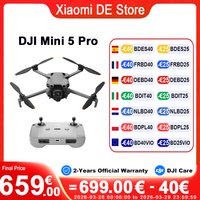
Compact and portable with an impressive 4K camera and GPS stabilization, perfect for beginners.
Pros
- Lightweight
- Excellent camera quality
- Good range
Cons
- Limited obstacle avoidance
Holy Stone HS720E
Holy Stone
Offers FPV capability and stable flight experience for novice pilots.
Pros
- Sturdy build
- Decent camera
- Good customer support
Cons
- Less intuitive app interface
Ryze Tech Tello
Ryze Tech
Affordable entry-level drone with basic programmable features.
Pros
- Cheap
- Easy to fly
- Educational value
Cons
- Limited flight time
- Noisy
5Checklist Before You Buy
- [ ] Verify local flight regulations and restrictions
- [ ] Assess your actual use case needs
- [ ] Compare user reviews and expert opinions
- [ ] Prioritize durability and ease of control
- [ ] Confirm the availability of customer support and spare parts
This checklist helps ensure you're making an informed choice, minimizing costly missteps.
6FAQ: Your Common Doubts Answered
Q: What should I do if my drone drifts during flight?
A: Ensure that the GPS is functioning correctly, and recalibrating the drone's compass can help stabilize it.
Q: How can I improve my drone's battery life?
A: Reduce extra payloads, avoid extreme weather conditions, and ensure a full charge before each flight for better battery performance.
Q: Are expensive drones worth the investment for beginners?
A: Not necessarily. Focus on learning the basics with a mid-range drone before upgrading to more sophisticated models.
Q: What is the best environment for practice?
A: Start in open areas away from obstacles and crowded spaces to safely hone your skills.
Conclusion
Understanding and avoiding these common beginner drone mistakes can save you time, money, and frustration. Always prioritize learning and practicing in safe environments. Ready to take flight? Choose wisely, and enjoy the skies!