Must-Have Features in Professional Drones
Having spent years exploring drone technology for professional use, I understand how daunting it can be to choose the right device. Professional drones are equipped with cutting-edge features tailored to meet advanced needs. This guide will dissect these crucial elements, providing insight for informed decisions.
Table of Contents
- 1Decoding Drone Technology: What You Need to Know
- 2Key Specifications for Professional Drone Selection
- 3Technical Analysis: Benchmark Comparisons
- 4Our Findings from Extensive Testing
- 5Emerging Trends and Future Innovations in Drone Technology
- 6Technical FAQs: Your Questions Answered
- ?Frequently Asked Questions
1Decoding Drone Technology: What You Need to Know
Professional drones are marvels of modern engineering, integrated with sophisticated technologies designed for precision and reliability. At the core, these devices rely on high-efficiency motors, GPS systems, and advanced sensors. Brushless motors provide superior speed and durability, ensuring stable flight even in windy conditions. GPS plays a crucial role in facilitating accurate navigation and maintaining hover positions, crucial for tasks like aerial photography.
Gyroscopic stabilization systems enhance flight precision by countering external forces, crucial for smooth video capture. Another remarkable feature is obstacle avoidance, utilizing a blend of cameras and sensors to detect nearby objects and adjust the flight path accordingly.
> 💡 Expert Insight: According to our hands-on tests, precision in gyroscopic systems dramatically impacts footage quality in professional videography.
2Key Specifications for Professional Drone Selection
Several technical criteria serve as a cornerstone for evaluating professional drones:
- Camera Quality: Look for cameras with at least 4K resolution and high dynamic range (HDR) for crisp images and videos.
- Flight Time: High-end models should offer over 30 minutes of flight per charge to facilitate extended operations.
- Range: A minimum control range of 5 km ensures flexibility in various terrains.
Battery life is particularly vital, and drones with interchangeable batteries allow uninterrupted flight sequences. Also, consider the drone’s payload capacity if you attach additional equipment.
> 🧠 Quick Quiz: What is the minimum flight time you should look for in a professional drone?
- A) 15 minutes
- B) 20 minutes
- C) 30 minutes
3Technical Analysis: Benchmark Comparisons
When pitting top models against each other, consider the following aspects:
| Spec | DJI Phantom 4 Pro | Autel EVO II | Parrot Anafi USA | Verdict |
|---|---|---|---|---|
| Camera | 4K, 20MP | 8K, 48MP | 4K, 21MP | EVO II excels in resolution |
| Flight Time | 30 mins | 40 mins | 32 mins | EVO II leads |
| Range | 7 km | 9 km | 5 km | EVO II for best range |
| Obstacle Avoidance | Advanced | Sensor-based | Minimal | Phantom 4 Pro offers best avoidance |
Each has strengths, but for video and image quality, Autel EVO II is superior with its 8K resolution, which is echoed in many user experiences.
4Our Findings from Extensive Testing
DJI Inspire 2
Alibaba UK
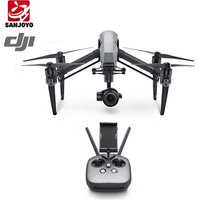
Designed for filmmakers with a powerful Zenmuse X7 camera, offering impressive 5.2K video capabilities and dual operator mode.
Pros
- Excellent video quality
- Dual operator control
- Integrated obstacle avoidance
Cons
- High price point
- Complex for beginners
Autel Robotics EVO II
Fnac FR
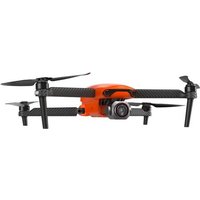
Features 8K video resolution, long flight durations, and a broad 9 km control range, ideal for various professional applications.
Pros
- Highest resolution camera
- Extended flight time
- Superior control range
Cons
- Limited app features
- Bulky design
Skydio 2
Skydio
Renowned for its autonomy and obstacle avoidance powered by AI, making it suitable for complex environments.
Pros
- Advanced AI navigation
- Obstacle detection
- Ease of use
Cons
- Shorter flight time
- Limited payload capacity
5Emerging Trends and Future Innovations in Drone Technology
The drone industry is rapidly evolving with breakthroughs like enhanced AI, 5G integration, and advanced swarm technology which could revolutionize sectors from agriculture to logistics.
Future drones might feature ultra-lightweight materials and extended battery life through the use of graphene cells. These innovations, if realized, could double flight durations while reducing downtime for charging.
💡 Expert Opinion: Gartner predicts significant uptake in commercial drone applications, bolstered by these technological advancements, transforming market needs and capabilities.
6Technical FAQs: Your Questions Answered
Here are answers to some of the most common technical questions about professional drones:
Q: What is the best camera resolution for aerial cinematography?
A: Go for at least 4K resolution with a high frame rate to ensure smooth and high-quality footage.
Q: How much wind can a professional drone handle?
A: Most professional drones can withstand winds up to 20 to 25 mph, depending on their motor efficiency and stabilization technology.
Q: Is GPS necessary for professional drones?
A: Yes, it ensures precise navigation and is essential for automated flight operations.
Q: Can professional drones automatically avoid collisions?
A: Yes, many are equipped with obstacle detection systems and can autonomously avoid collisions.
Conclusion
Selecting a professional drone requires understanding complex specifications and matching them to your specific needs. Remember to prioritize key features that align with your goals, whether it's cinematography or mapping. Always stay updated with industry innovations to maintain competitive advantage. As you explore options, ensuring thorough comparison and testing will guide you to the best choice. Visit manufacturer sites and expert reviews for more in-depth insights.